Unit 4
High and low sounds
Sing and play sounds that climb up and down, and learn sa re ga ma to make your own melody.
Read
The ladder of sounds
Listen to a koel in the mango tree: ku-oo, ku-oo, ku-oo, climbing higher each time. Its song seems to climb a ladder. Now think of a big drum at a festival: dhum, dhum. That sound sits low, near the ground.
That "place" of a sound is called its pitch. A sound can be high or low. A mouse squeaks high. A big drum or a bull's moo goes low.
What makes a sound high or low?
Things that are small, short or tight make high sounds. Things that are big, long or loose make low sounds.
- A short, thin guitar or sitar string: high. A long, thick string: low.
- A small bell: high. A big temple bell: low.
- The short bars of a xylophone: high. The long bars: low.
- Tap a spoon on a glass with a little water: higher. Add more water and tap again: lower.
Try it: Say "ooooh" like a ghost, starting as low as you can and sliding up as high as you can. Feel your voice climb. Now slide back down.
Melody: sounds going up and down
If you sing the same note over and over, it is only a hum. A melody is what you get when sounds go up and down one after another. Every song you know has a melody. Take away the words and the melody is still there.
A tune has a shape. Is it going up, going down, going up and then down, or staying the same?
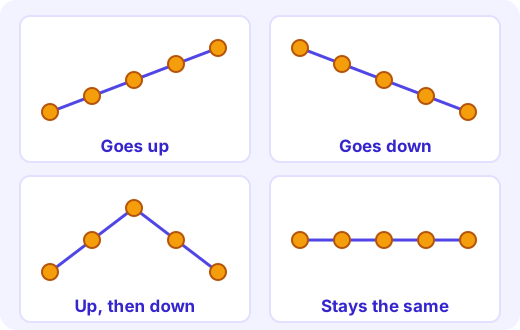
Sa re ga ma
Musicians give names to the notes, like steps on a ladder. In Indian music the names are sa, re, ga, ma, pa, dha, ni, and then the high Sa again. This is called the sargam. The first four notes are sa re ga ma.
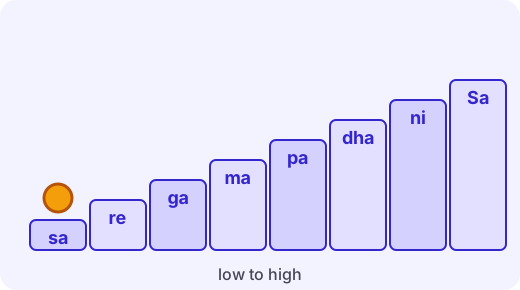
Many songs around the world use the names do re mi fa sol la ti do for almost the same ladder. Sa, re, ga and ma are very close to do, re, mi and fa. Singing do re mi and singing sa re ga ma are two ways to climb the same kind of ladder.
Example. Start on sa and sing up: sa re ga ma pa. That is five notes and four steps up. Now come back down: pa ma ga re sa. Same notes, opposite shape. The first tune goes up; the second goes down.
Example. "Twinkle, twinkle, little star" begins sa sa pa pa dha dha pa. It jumps up from sa to pa, edges up to dha, and then steps back to pa. Its shape goes up, then a little down.
A mistake to watch for
Many children think "high" means "loud" and "low" means "quiet". They are different! A mosquito is high and quiet. A drum can be low and loud. Pitch is high or low. Volume is loud or soft.
For the grown-up helping
Sing with your child; the voice is the best instrument at this age. Let them go up and down with their hand, high in the air for high notes and near the floor for low ones. If your child's singing wanders off the tune, that is normal. Their ear is still learning, and singing along with a recording, again and again, helps more than correcting.
Lab
The melody ladder
Tap the steps of the ladder to play notes, low on the left and high on the right. Watch the shape of your tune appear as you play. Switch the names between sa re ga and do re mi if you like. If your device is silent, the notes still count.
Your goals
- Play all eight notes going up in order, from the lowest to the highest.
- Play all eight notes going down in order.
- Make a tune of your own that climbs up at least two steps and then comes back down at least two steps.
The interactive lab opens once you register. Register to do this.
Activity
Sing it, play it
Your child sings sa re ga ma (or do re mi) up and down, then plays high and low sounds on a set of cups or a real instrument. About 25 minutes.
You'll need
- Five or six matching cups, jars or bottles (plastic or sturdy steel are best)
- Water, and a jug to pour from
- A metal spoon
- A towel for spills
- A xylophone, keyboard or harmonium if you have one (optional)
Steps
- Stand up together. Slide your voices from low to high like a ghost and back down. Move your hands up and down as you go.
- Sing "sa re ga ma pa" slowly, lifting your hand a little higher for each note. Then sing it back down, "pa ma ga re sa", lowering your hand. If you prefer, sing "do re mi fa sol".
- Play a guessing game. You sing two notes. Your child says whether the second was higher or lower than the first. Take turns.
- Line up the cups. Leave the first one nearly empty. Fill each cup with a little more water than the one before.
- Tap each cup gently with the spoon, starting with the one with the least water. Listen. The cup with more water gives a lower sound. Ask your child to put the cups in order from lowest to highest sound.
- Tap a tune that goes up the cups, then a tune that goes down, then one that goes up and down.
- If you have a real xylophone or keyboard, find the lowest and the highest sound and play a short tune that climbs and falls.
Safety
- Use plastic or steel cups where you can. If you use glass, the adult handles it and checks for cracks first.
- Tap gently with the spoon so the cups do not crack or tip.
- Wipe up water straight away so nobody slips.
- Do not shout or sing very loudly. A gentle voice is better for the ears and for the tune.
Keeping a log of the activity is for registered learners. Register to do this.
Quick check
High and low check
Seven questions about high sounds, low sounds and melody.
1.Which string makes the higher sound?
- A short, thin string
- A long, thick string
- Both make the same sound
Choose one
2.What is a melody?
- Sounds that go up and down, one after another
- The loudest part of a song
- The steady tick you tap your foot to
Choose one
3.Put the notes in order, from the lowest to the highest.
- pa
- ma
- re
- sa
- ga
Put these in order
4.In sa re ga ma pa, which note comes right after ga?
Answer with a word or phrase
5.Look at the dots. Which words tell the shape of this tune?
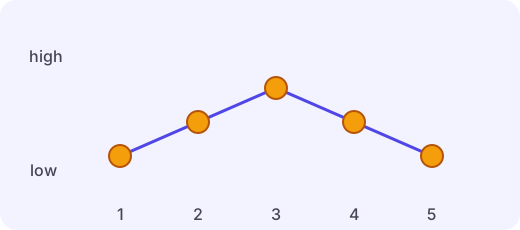
- It only goes up
- It only goes down
- It goes up, then down
- It stays the same
Choose one
6.Match each do re mi name to the sa re ga name of nearly the same note.
- do
- mi
- fa
Match each to: ma · ga · sa
7.Which of these make LOW sounds?
- The longest bar of a xylophone
- A thick, loose string
- A tiny bell
- A mouse's squeak
Choose all that apply
Answering and checking are for registered learners. Register to do this.
Quick check
New puzzles
High and low sounds turn up in places the lesson did not show. Can you use what you know?
1.Tia taps a steel tumbler with a spoon. Then she pours more water into it and taps it again. What happens to the sound?
- It gets lower
- It gets higher
- It stays exactly the same
Choose one
2.An ambulance siren slides from a low sound up to a high sound. If you drew its shape with dots, which way would the line go?
- Upward
- Downward
- Straight across
Choose one
3.You sing the tune sa re ga ma pa. Each move to the next note is one step. How many steps up from sa to pa?
Answer with a number
4.Rohan sings "pa, ma, ga, re, sa". Which sentence describes his tune?
- It climbs up
- It walks down
- It gets louder
Choose one
5.A mosquito buzzes quietly but its buzz is very high. Which sentence is true?
- A sound can be high and quiet
- High sounds are always loud
- Quiet sounds are always low
Choose one
Answering and checking are for registered learners. Register to do this.
Activity
Tell it back
Your child explains, in their own words, what a melody is and how high and low sounds make it. Three minutes.
Steps
- Ask your child to sing or hum a song they like. Ask "Does the tune go up or down in the middle? Show me with your hand."
- Ask: What is a melody? How is it different from just banging a drum?
- Ask: What makes one sound high and another low? Can you give me an example?
- Write down what your child says in their own words. Do not correct them.
Keeping a log of the activity is for registered learners. Register to do this.
Like what you see?
Register for free to answer the quick checks, do the activities and save your work. Your work is saved on your device and syncs to your account.